
Program Property — Surface Reset
Flathead Valley, Montana
- Condition assessment
- Crack sealing and sealer
- Re-score for the following cycle
Multi-property owners don't buy a single application — they buy a plan. These are the assessment, phasing, and reporting deliverables behind our commercial pavement programs, and the field results they produce.
Stated up front so your reviewer can hold us to it — and compare it to whoever else bid.
Every property walked and scored for cracking, oxidation, drainage, and base failure.
Work sequenced by failure risk so budget goes to the surfaces that are actually losing life.
Condition rating per property, re-scored each cycle so you can see the trend, not just the invoice.
One coordinator across all sites — scheduling, COIs, and closeout photos in one thread.
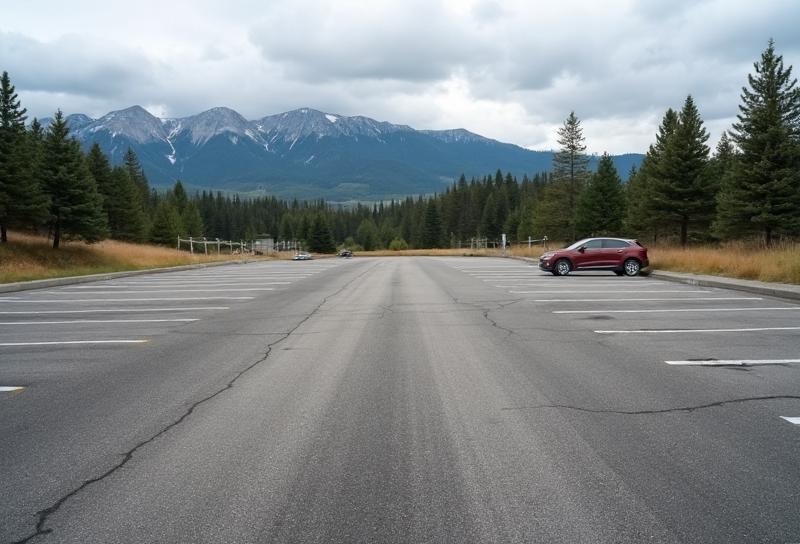
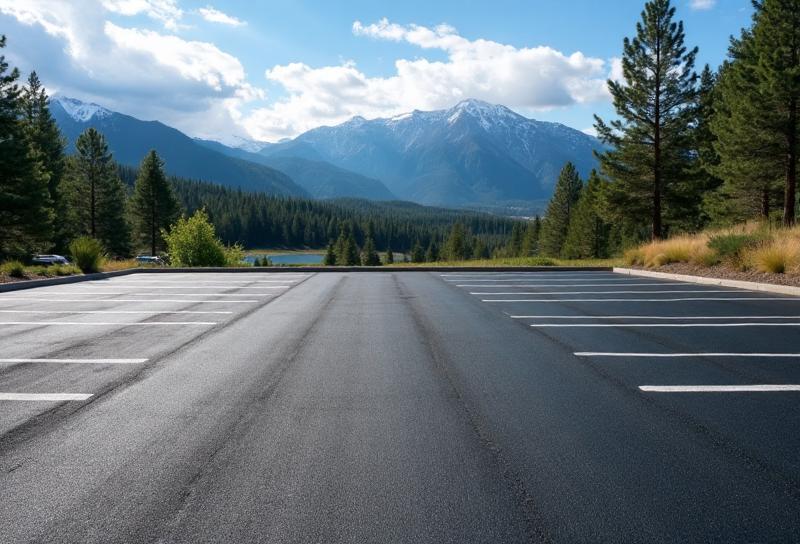
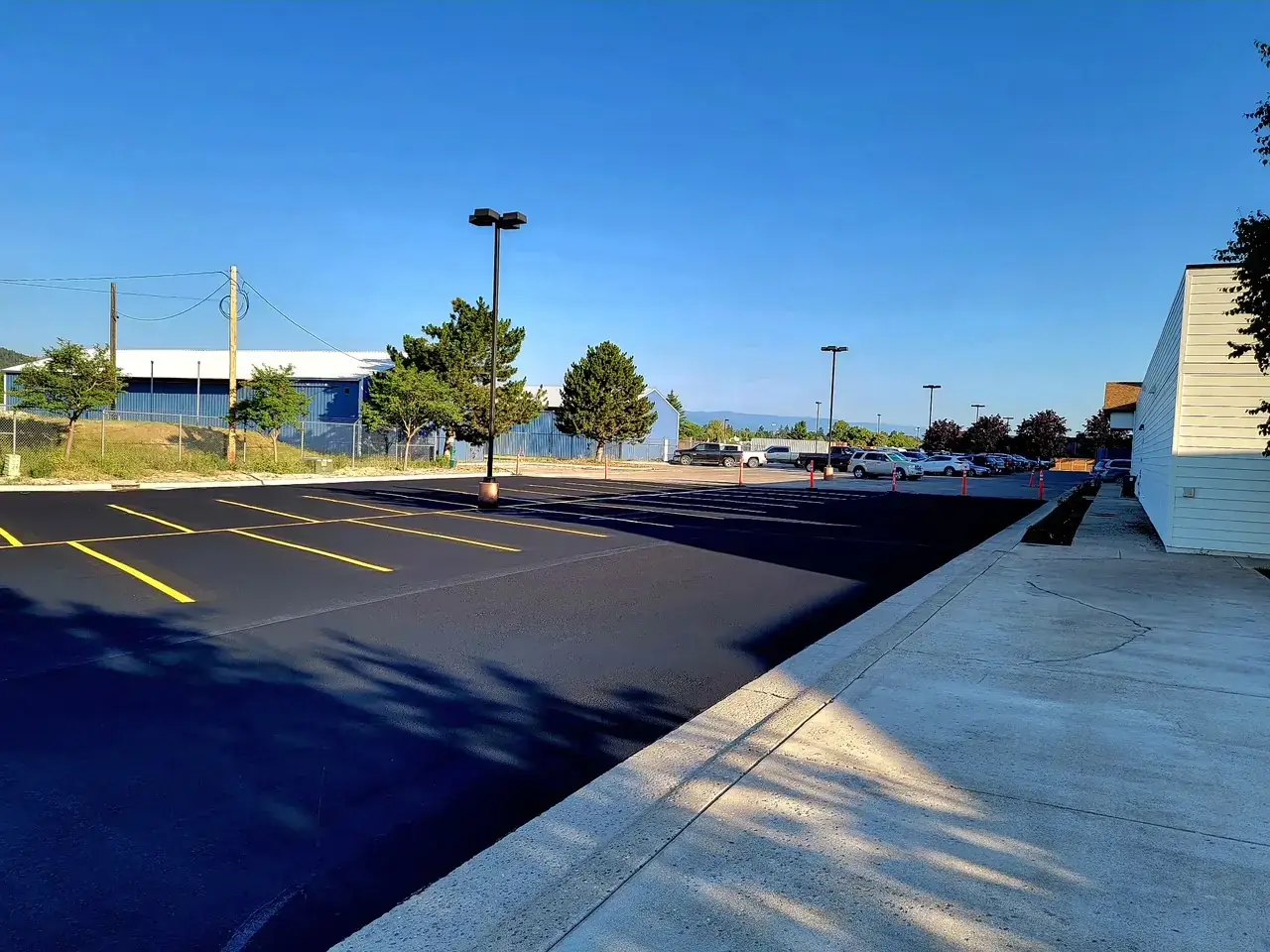
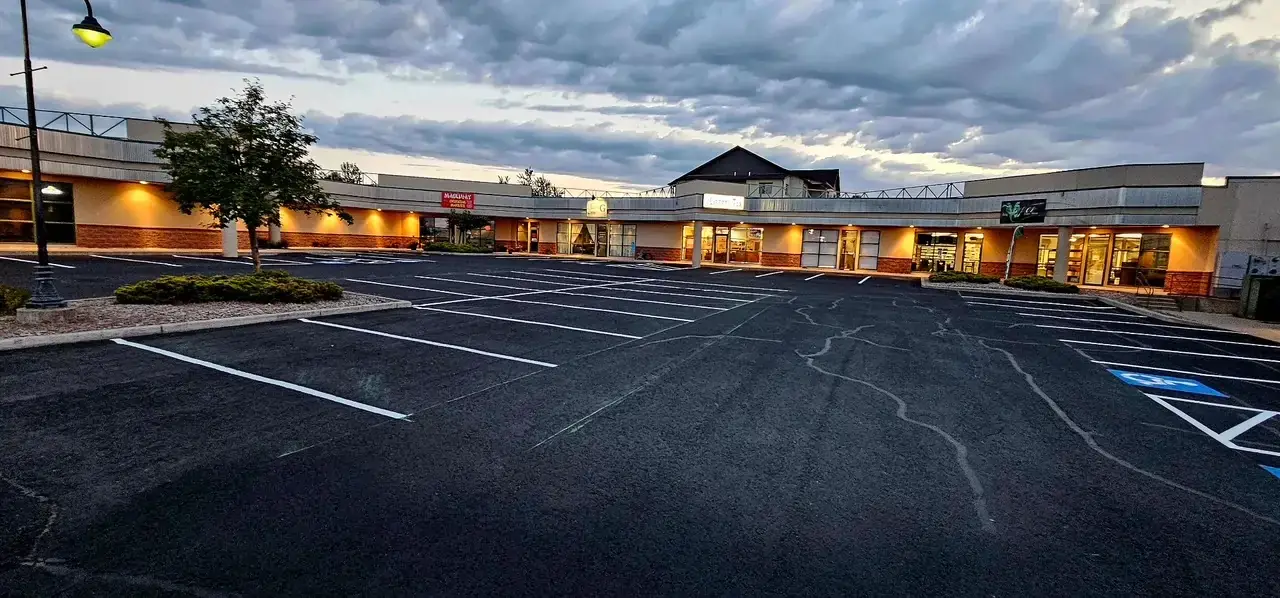
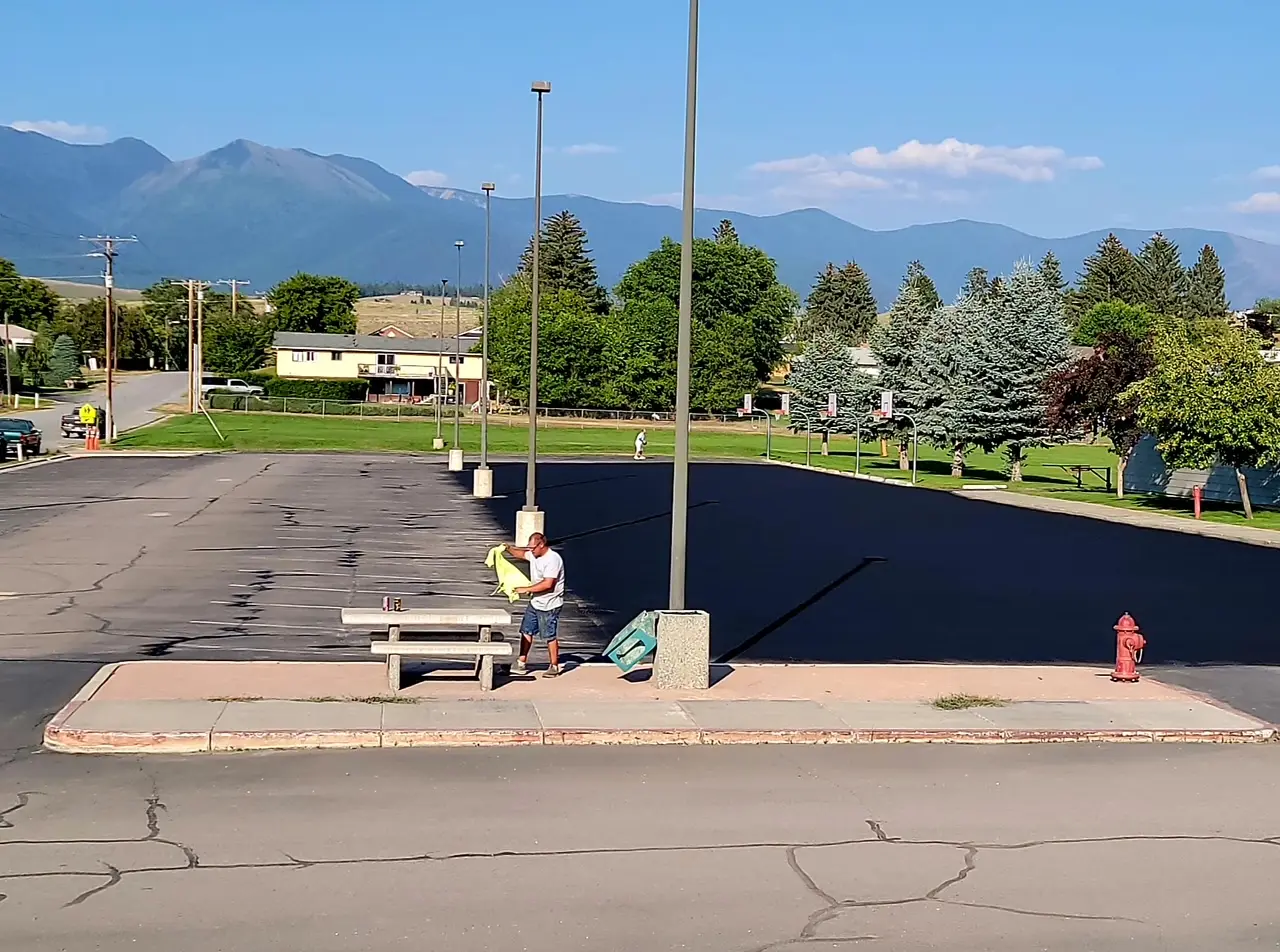
Representative before-and-after scopes showing the condition we start from and the finished surface. Illustrative of typical work, not a record of a specific client project.
Flathead Valley, Montana
Downloadable specs and safety data, plus the records issued with your project. Anything marked on request is returned the same business day.
Pick what your reviewer needs. Downloadable specs and safety data are emailed instantly; insurance certificates and project records are prepared and returned the same business day.
Running a formal procurement? Use the municipal & HOA bid intake to attach bid packets and deadlines.
Pavement management is budgeted as a multi-year program, not a single invoice. These factors determine what lands in year one versus what gets deferred — and where the money is best spent first.
One property or twenty, the survey work scales with the number of pads, entrances, and drive lanes. Multi-site portfolios get volume efficiency on mobilization.
Sound pavement takes preservation. Failed pavement takes repair or replacement first. The gap between those two paths is the largest cost difference in the entire program.
Sealer over a failing base is wasted money. Infrared patching, saw-cut-and-replace, and localized overlay are quoted separately and drive the first-year number.
ADA stall counts, access aisles, fire lanes, signage, and bollards are frequently out of compliance on older lots and have to be brought current as part of the work.
We build the plan around your fiscal calendar. Spreading work over two or three budget years costs slightly more in mobilization but keeps any single year's spend predictable.
Survey in a single visit; work scheduled around your operating hours
Surveys batched by region; work sequenced by condition score
Aligned to the public bid calendar and fiscal year
We quote from the actual site rather than a published rate card, because two lots the same size routinely scope out very differently. The site walk and the written proposal are free either way.
A condition assessment for every property, a scorecard baseline, and a 3-year remediation plan sequencing work by failure risk. All three are yours to keep regardless of what you award.
Each property is re-walked and re-scored on cycle. You get the movement in the score, the work completed, and the recommended next phase in one document.
Yes. We run programs across Montana, North Idaho, Eastern Washington, and the Dakotas with one coordinator across all sites.