Proof Center · Snow & Ice Management

    Snow & Ice Management Proof & Reference Documentation

    Winter liability is won or lost on records. Every event we service is logged — time on site, surface temperature, product, and rate — because that log is what protects you if a slip-and-fall claim ever lands.
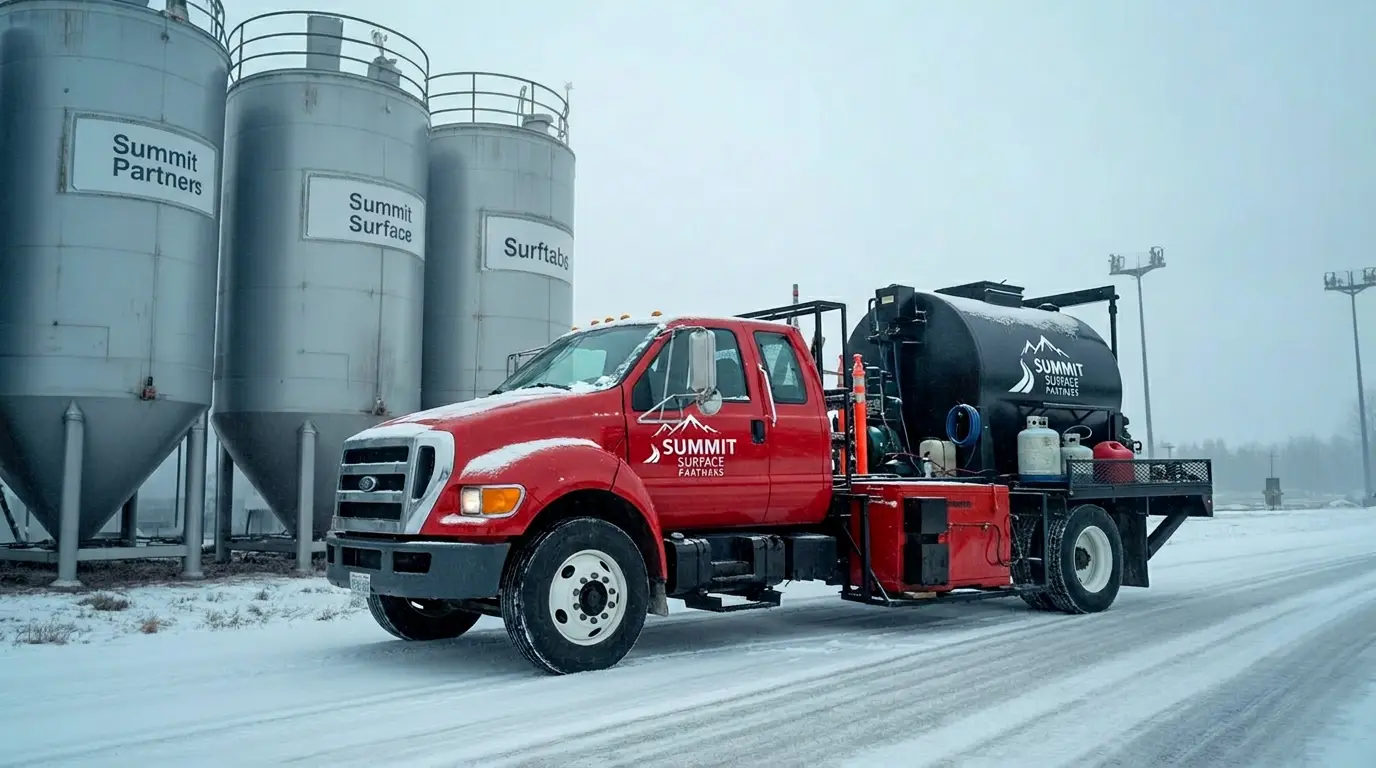
    Salt brine pre-treatment applied to a Montana commercial surface ahead of a winter storm
    Brine pre-treatment ahead of a forecast event, logged by time and surface temperature.
    Applied Standards

    How Snow & Ice Management Work Is Held

    Stated up front so your reviewer can hold us to it — and compare it to whoever else bid.

    Event logs

    Arrival and departure time, surface temp, product, and application rate recorded per event.

    Pre-treatment

    Brine applied ahead of forecast events so ice never bonds to the surface.

    Site maps

    Stacking zones, priority lanes, and no-salt areas mapped and agreed before the first storm.

    Trigger depths

    Written service triggers so nobody argues about whether a push was warranted.

    Field Results

    Before & After

    Documented on real Montana and North Idaho properties, not stock photography.

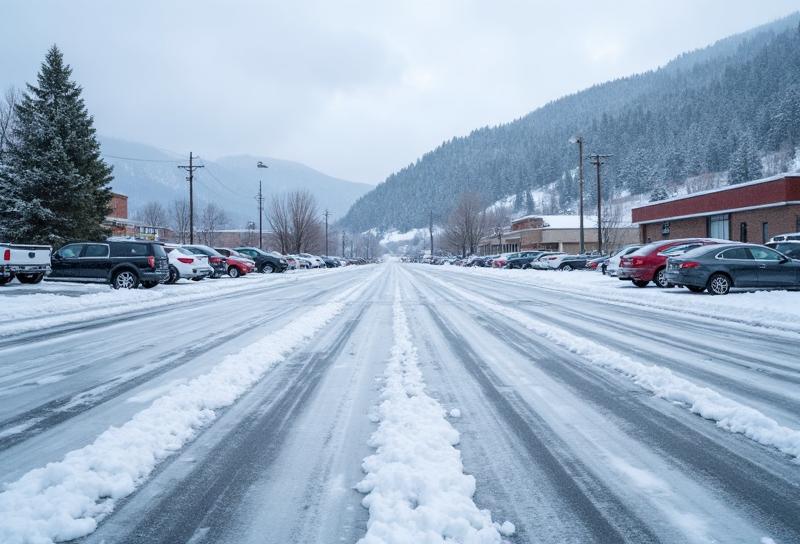
    Bonded ice on an untreated commercial surface before de-icing in Montana
    Before — bonded ice on a public-access surface.
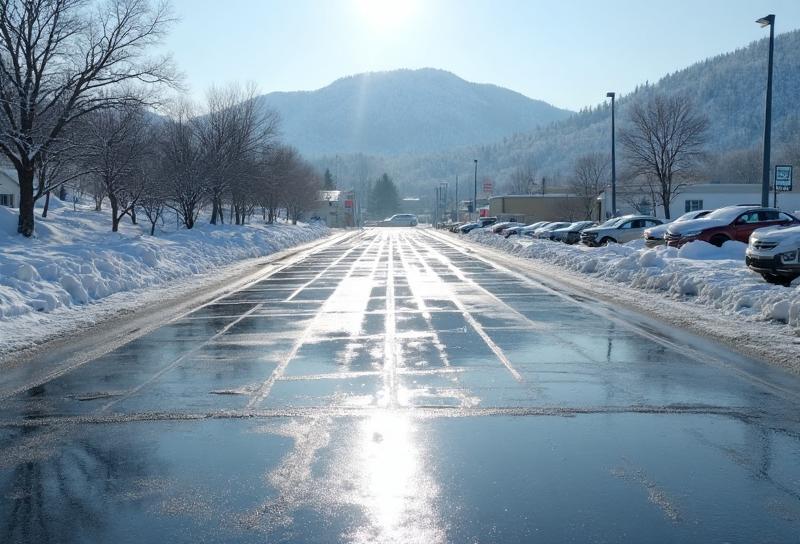
    Cleared commercial surface after mechanical clearing and a brine de-icing pass
    After — surface cleared and treated, slip hazard removed.

    Municipal Winter De-Icing

    Montana

    • Pre-treatment ahead of the event
    • Mechanical clearing
    • Post-event brine pass
    Salt brine production and application equipment used for commercial winter service
    Brine equipment — product and rate recorded on every event log.
    Winter de-icing operations underway on a Flathead Valley commercial route
    Live event service in the Flathead Valley.
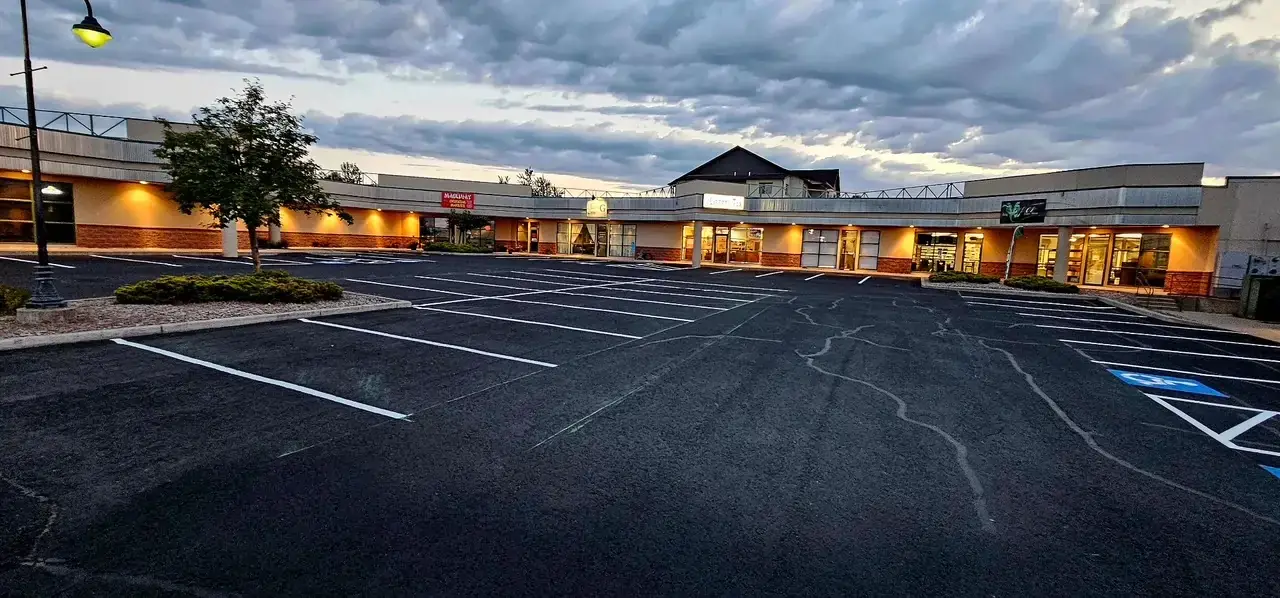
    Retail parking lot kept clear through a Montana winter on a seasonal contract
    Retail lot on a seasonal contract with written trigger depths.
    Request Documentation

    Get the Snow & Ice Management Documents Sent to You

    Pick what your reviewer needs. Downloadable specs and safety data are emailed instantly; insurance certificates and project records are prepared and returned the same business day.

    • Emailed to you, not gated behind a sales call
    • No pricing required to receive documentation
    • Certificates issued naming your entity as certificate holder

    Running a formal procurement? Use the municipal & HOA bid intake to attach bid packets and deadlines.

    Which documents do you need?

    Downloadable specs and safety data arrive by email immediately. Insurance certificates and project-specific records are returned the same business day. No spam, no pricing gate.

    What Affects Your Price

    How Snow & Ice Contracts Are Priced

    Winter contracts are structured around risk, not just square footage. How you want the risk split between you and us is the biggest single decision in the price.

    Contract structure

    Seasonal contracts fix your winter cost regardless of snowfall — we carry the weather risk. Per-event billing is lower in a light winter and higher in a heavy one. Hybrids cap both sides.

    Raises cost
    Raises cost: Fully seasonal, fixed-cost agreements that transfer all risk to us
    Keeps cost down
    Keeps cost down: Per-event billing where you carry the snowfall risk

    Property size & surface mix

    Drive lanes, parking stalls, sidewalks, entries, and loading docks each clear at different rates. Sidewalk and hand-work is the most labor-intensive part of any property.

    Raises cost
    Raises cost: Extensive sidewalks, multiple entries, docks, stairs and hand-clear areas
    Keeps cost down
    Keeps cost down: A simple open lot with minimal walkway footage

    Trigger depth & service level

    A two-inch trigger means far fewer pushes than a one-inch or zero-tolerance standard. Medical, grocery, and high-liability sites usually need the tighter standard.

    Raises cost
    Raises cost: Zero-tolerance or 1" triggers, 24/7 open-property requirements
    Keeps cost down
    Keeps cost down: A 2" trigger with normal business-hours expectations

    De-icing approach

    Salt brine pre-treatment before a storm uses substantially less material than reactive rock salt after the fact, and it keeps the surface workable — but it adds a scheduled pre-storm visit.

    Raises cost
    Raises cost: Heavy reactive granular use, repeated re-applications during long events
    Keeps cost down
    Keeps cost down: Scheduled brine pre-treatment that prevents bond-up in the first place

    Documentation & liability requirements

    Slip-and-fall defensibility requires time-stamped service logs, site photos, and material records. Most commercial and municipal clients require it; it's built into the contract.

    Raises cost
    Raises cost: Full photo logging, per-visit reporting, insurance certificate requirements
    Keeps cost down
    Keeps cost down: Standard service logs without extended reporting

    What the Work Involves at Your Scale

    Small commercial property

    • Lot push plus walkway clearing at entries
    • Brine pre-treatment ahead of forecast events
    • Time-stamped service log per visit

    Per-event response, typically overnight before opening

    Retail center or medical facility

    • Tighter trigger depth with 24/7 storm monitoring
    • Pre-treatment, plowing, hand-clear, and de-icing
    • Photo documentation for liability defense

    Continuous coverage through each event

    Municipal or multi-site portfolio

    • Route planning across all sites with priority sequencing
    • Bulk brine supply and on-site storage
    • Consolidated reporting across the portfolio

    Season-long contract with dispatched route coverage

    What You Get in Writing

    • Site map with plow routes, stacking areas, and hand-clear zones
    • Your chosen trigger depth and service standard in writing
    • Contract structure options — seasonal, per-event, or hybrid — side by side
    • Documentation and insurance package for your risk file

    We quote from the actual site rather than a published rate card, because two lots the same size routinely scope out very differently. The site walk and the written proposal are free either way.

    Questions

    Snow & Ice Management Proof FAQs

    What records do you keep for slip-and-fall defense?

    An event log for every service visit with arrival and departure times, surface temperature, product used, and application rate. Those logs are the first thing an insurer asks for, and they're yours for the full season.

    Do you pre-treat before storms or only respond after?

    Both. Salt brine pre-treatment before a forecast event stops ice bonding to the surface, which cuts clearing time and product use on the back end.

    How are service triggers defined?

    In writing, in the seasonal agreement — trigger depth, response window, and which surfaces are priority. No ambiguity mid-storm.